Oil Products Tanker vs Crude Oil Tanker vs Bulk Carrier: Choosing the Right Vessel
Choosing a vessel is one of the first decisions in any liquid or bulk shipment, and it shapes almost everything that follows: the ports you can use, the parcel size that makes sense, the cargo-handling arrangements on board and the documentation required. Yet the differences between vessel types are not always clear to the procurement and supply chain teams who book them.
This guide explains the three vessel types that make up a typical tanker fleet serving traders, refiners and industrial buyers: the oil products tanker, the crude oil tanker and the bulk carrier. It covers what each one is built to carry, how they differ in size and handling, and what to ask before you request a vessel.
ADINA SHIPPING's vessel fleet page lists 16 vessels across exactly these three categories (oil products tankers, crude oil tankers and bulk carriers) with each vessel's IMO number, flag, year built and live AIS position.
What Is a Vessel Fleet in Maritime Transportation?
A vessel fleet is the group of ships a shipping or logistics provider operates, manages or can make available to its customers. For a shipper, the fleet matters less as a headline number and more as a range of options: different vessel types, sizes and specifications that can be matched to a particular cargo, route and schedule.
When you look at a provider's fleet, it helps to group the vessels by what they are designed to carry:
- Liquid cargo in tanks: refined petroleum products, crude oil and other bulk liquids move in tankers, whose cargo is pumped in and out through pipelines and manifolds.
- Dry cargo in holds: unpackaged commodities such as grain, minerals or fertilisers move in bulk carriers, whose cargo is loaded and discharged through large hatches.
Within each group, size, tank or hold configuration, coatings, pumping systems and age all influence which vessel is suitable for a specific job.
Oil Products Tanker: Built for Refined Liquids
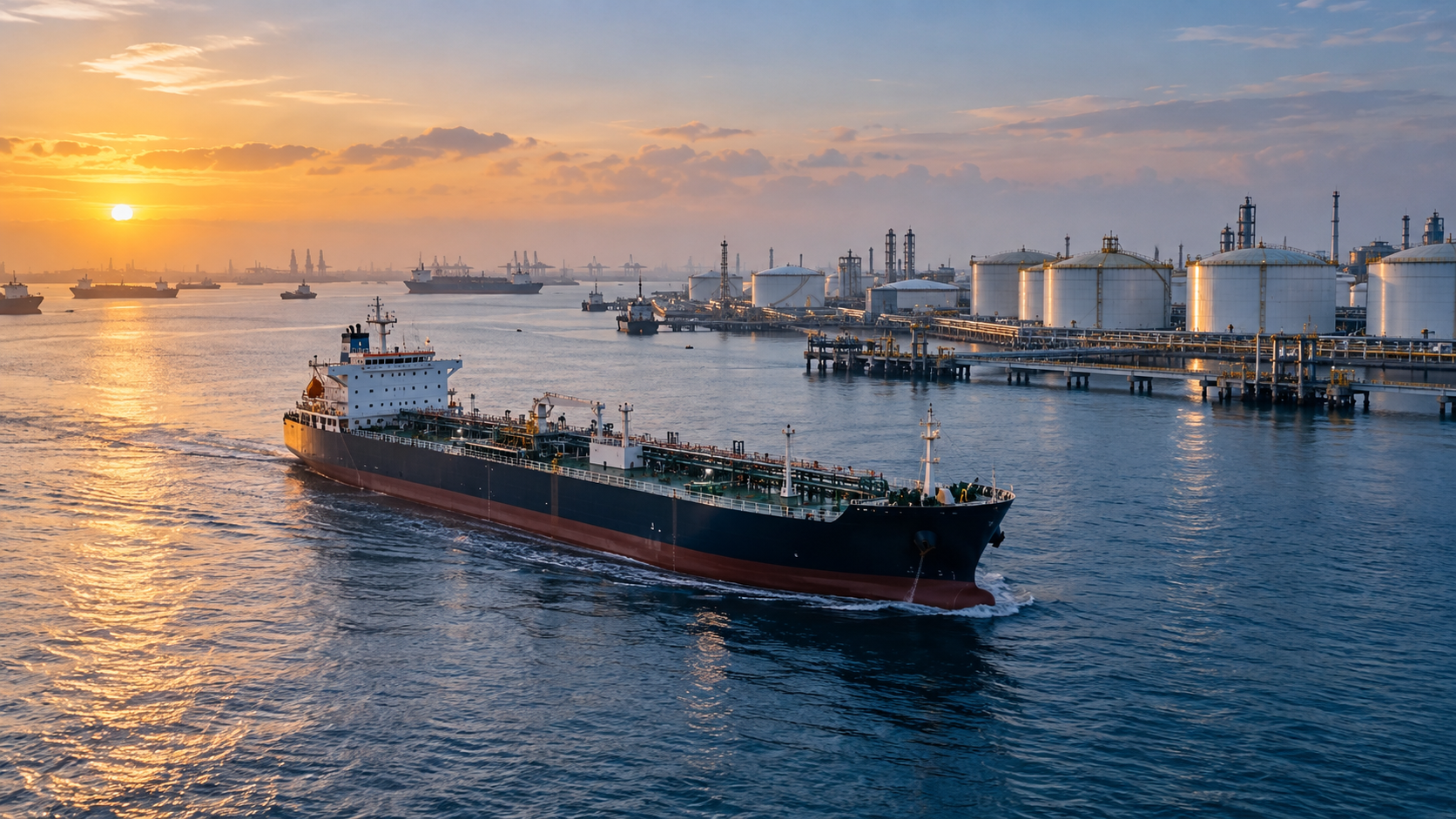
An oil products tanker (often shortened to "product tanker") carries refined petroleum products, the outputs of a refinery rather than its raw input. Typical cargoes include gasoline, diesel, jet fuel, naphtha and similar "clean" products, although some product tankers also carry heavier "dirty" products such as fuel oil.
Product tankers tend to share a few characteristics:
- Multiple segregated tanks: cargo is divided across several tanks, often with separate pumping arrangements, so a single voyage can carry more than one grade.
- Coated cargo tanks: tank coatings help protect cargo quality and make cleaning between cargoes more practical.
- Moderate size: product tankers are generally smaller than crude carriers. Common size classes include Medium Range (MR) and Long Range (LR) vessels, which suit the parcel sizes and port restrictions of product trades.
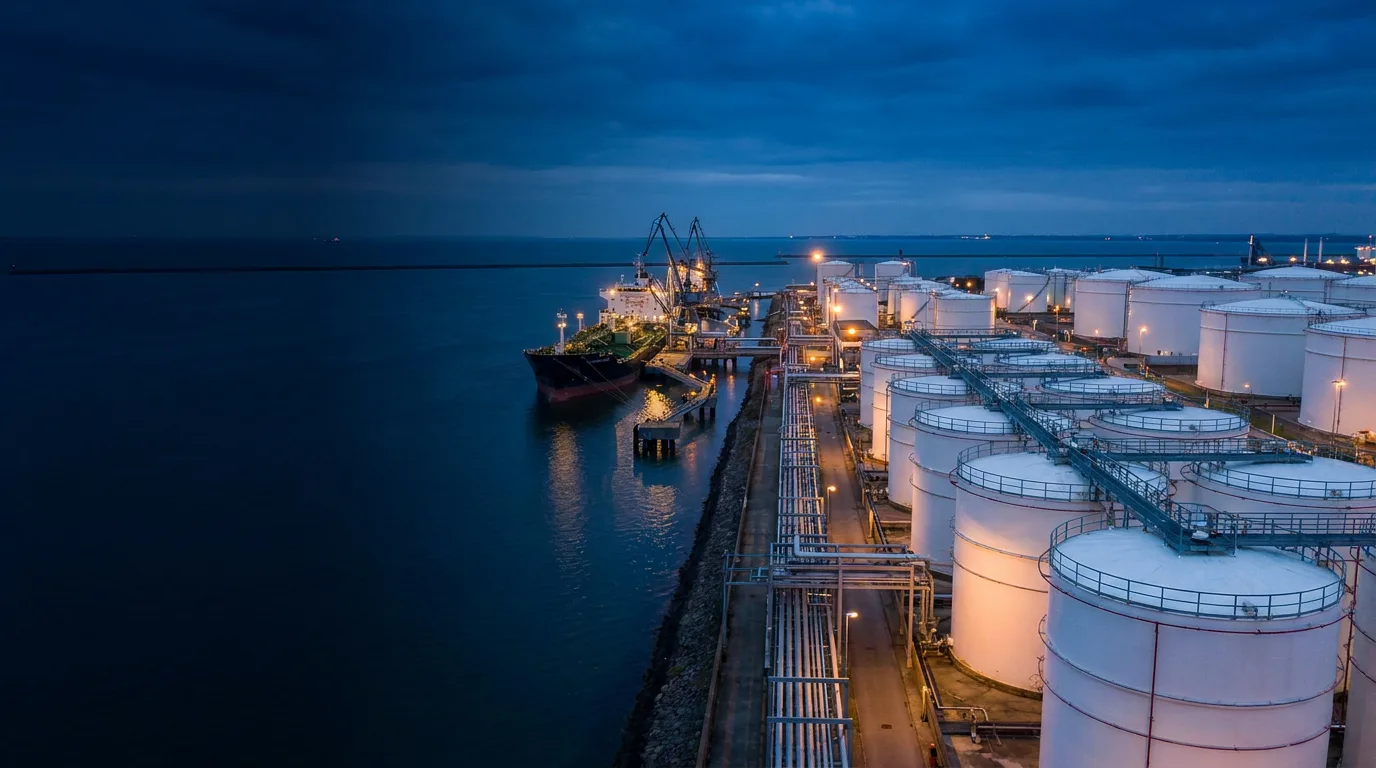
- Flexible trading: their size gives them access to a wide range of terminals, including many regional ports that cannot accept the largest tankers.
Some product tankers are also certified to carry certain chemicals. Ships that carry chemicals in bulk are built and certified under the International Maritime Organization's IBC Code, and the products a specific vessel may carry are listed on its certificate of fitness. If your cargo is a chemical rather than a fuel, always confirm that the proposed vessel is certified for it. Our guide to choosing a chemical tanker company in Singapore covers those checks in more detail.
Crude Oil Tanker: Built for Volume
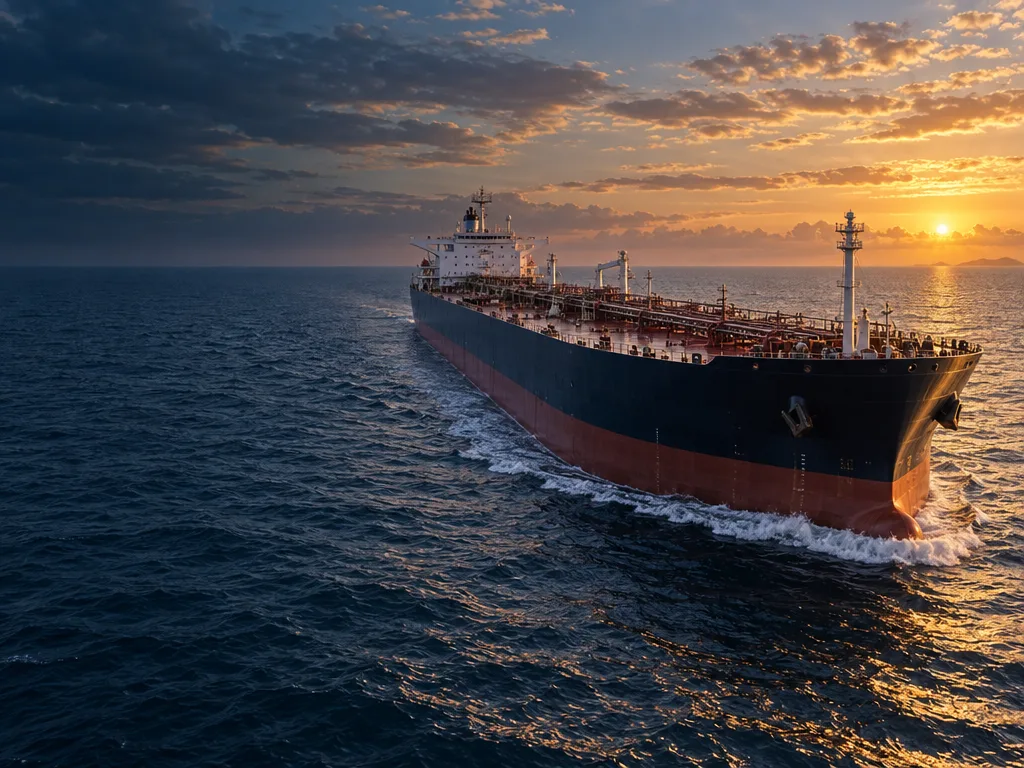
A crude oil tanker carries unrefined crude oil from production areas and export terminals to refineries. Because crude is usually traded in large volumes over long distances, crude tankers are built for scale.
- Larger size classes: crude tankers range from Aframax vessels, which suit many regional trades, to Suezmax and Very Large Crude Carriers (VLCCs) on long-haul routes.
- Fewer, larger cargo tanks: they are designed to move a single grade or a small number of grades efficiently, rather than many small parcels.
- Specialised handling: crude cargoes can require heating, tank washing systems and careful management of residues and vapours.
- Port and route constraints: the largest crude tankers can only call at deep-water terminals, so the vessel size must fit the loading and discharge ports.
For a buyer, the key question is whether the cargo size, route and terminal limits justify a larger vessel, or whether a smaller tanker gives more flexibility.
Bulk Carrier: Built for Dry Cargo
A bulk carrier carries unpackaged dry commodities rather than liquids. Typical cargoes include grains, coal, iron ore, minerals, fertilisers and some industrial raw materials.
- Large holds with hatch covers: cargo is loaded by conveyor, grab or spout and discharged with grabs or shore equipment.
- Range of sizes: common classes include Handysize, Supramax, Panamax and Capesize, from small, flexible ships with their own cranes to very large vessels serving major mining and grain routes.
- Different cargo care: instead of tank coatings and pumping, the main concerns are hold cleanliness, moisture, ventilation and how the cargo is stowed.
Bulk carriers are not used for liquid cargoes. If your supply chain includes both a liquid product and a dry raw material, you will usually need different vessel types for each.
Oil Products Tanker vs Crude Oil Tanker vs Bulk Carrier at a Glance
Here are the practical differences in plain terms:
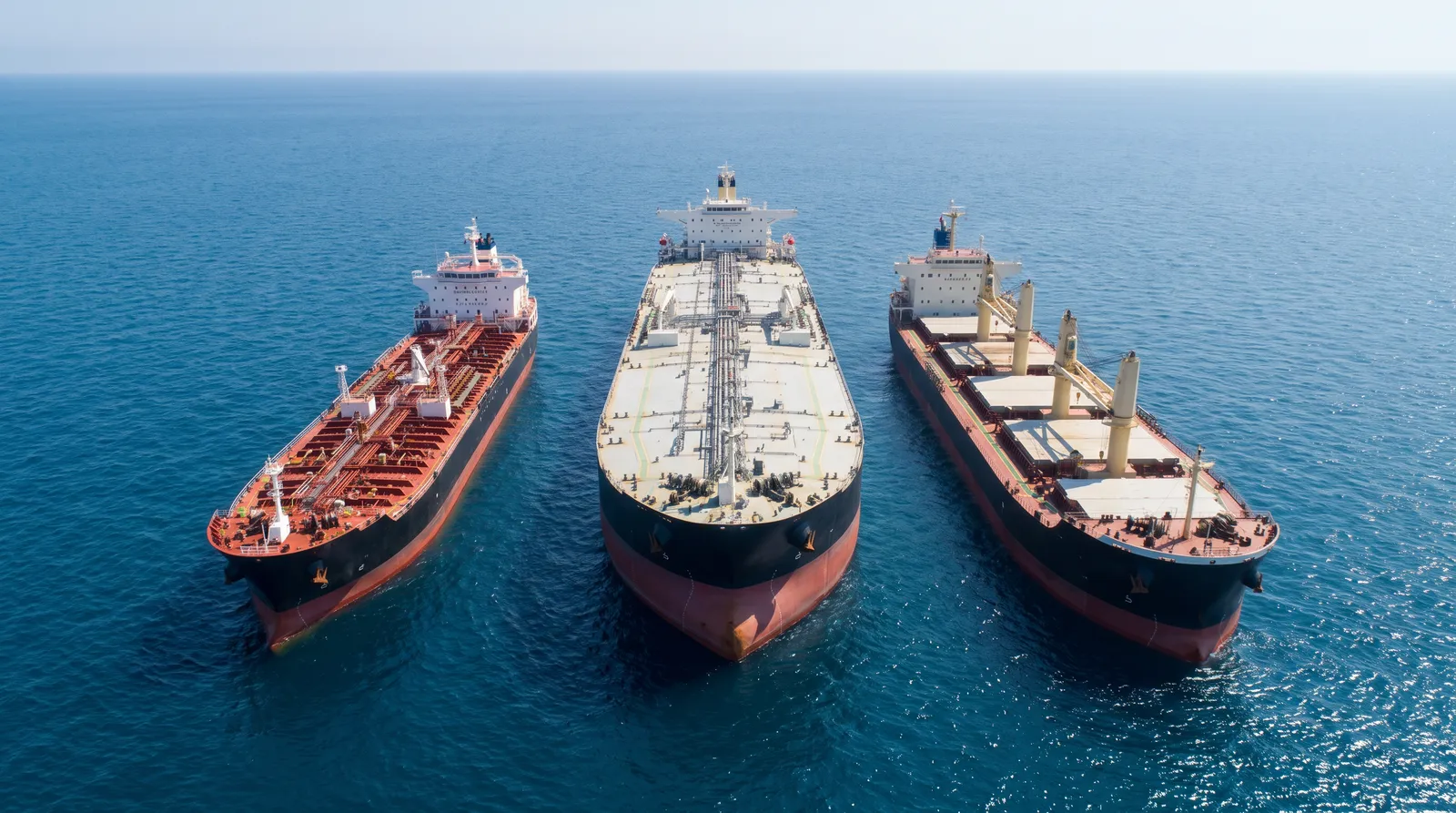
- Cargo: refined liquids for the oil products tanker; unrefined crude for the crude oil tanker; dry bulk commodities for the bulk carrier.
- Typical parcel size: small to medium and often multi-grade for product tankers; large, single-grade cargoes for crude tankers; varies widely for bulk carriers.
- Cargo space: many segregated, usually coated tanks; fewer, larger tanks; open holds under hatch covers.
- Handling: pumps and pipelines for both tanker types; cranes, grabs and conveyors for bulk carriers.
- Main suitability checks: grade segregation, tank coating and previous cargoes; terminal depth, heating and volume; hold condition, moisture and loading equipment.
How to Choose the Right Vessel for Your Cargo
The right vessel is the one whose design, size and certification match your cargo and route. Working through the following factors in order usually narrows the choice quickly.
1. Cargo Type and Specification
Start with the product itself: is it a refined product, crude oil, a chemical or a dry commodity? Share the product specification and safety data sheet (SDS) so the provider can confirm which vessels are suitable.
2. Quantity and Parcel Size
The volume or tonnage you need to move determines the size class that is practical. A vessel that is too large can be uneconomic; one that is too small may need multiple voyages.
3. Loading and Discharge Ports
Draft, length and berth restrictions at both ends of the voyage can rule out certain vessels. Always share the exact terminals, not just the countries.
4. Previous Cargoes and Tank Condition
For liquid cargoes, what a tanker carried before can matter as much as what it will carry next. Ask about previous cargoes, tank coating and cleaning requirements.
5. Timing
The loading window you need affects which vessels are available. Flexible dates usually mean more options.
6. Vessel Age and Specifications
Some charterers, terminals and cargo owners have their own requirements for vessel age, flag or specification. Clarify these early so they do not become a late surprise.
Why Live Vessel Tracking Matters
Once a vessel has been booked, visibility becomes the priority. Live vessel tracking uses the Automatic Identification System (AIS), which ships broadcast to report their identity, position, course and speed, so you can follow a voyage on a map.
For logistics teams, AIS-based tracking can help with:
- Preparing terminals and storage tanks before the vessel arrives
- Planning inventory and production around expected arrival times
- Spotting schedule changes early and updating customers
- Keeping procurement, operations and finance working from the same information
ADINA SHIPPING's fleet page lets visitors select a vessel and view its live AIS position on a map. AIS data comes from the ships themselves and from receiving stations, so update frequency can vary, especially in open ocean. Tracking supports planning but does not guarantee arrival times. We look at this in more depth in our article on chemical logistics with real-time tracking.
Questions to Ask Before Booking a Vessel
Before you confirm a vessel, it is worth asking the provider:
- Which vessel types and sizes are available for my cargo and route?
- Is the proposed vessel suitable and, where relevant, certified for this product?
- What were the vessel's previous cargoes, and what tank or hold preparation is needed?
- Can the vessel call at both my loading and discharge terminals?
- What loading window can you offer?
- How will I be able to track the vessel during the voyage?
- Who is my operational contact if the schedule changes?
Frequently Asked Questions
What is the difference between an oil products tanker and a crude oil tanker?
An oil products tanker carries refined products such as gasoline, diesel and jet fuel, usually in several segregated, coated tanks. A crude oil tanker carries unrefined crude oil, typically in larger volumes, on larger vessels with fewer, larger tanks.
Can a bulk carrier transport liquid cargo?
No. Bulk carriers are designed for unpackaged dry commodities such as grain, coal, ore and fertilisers. Liquid cargoes move in tankers.
Can a product tanker carry chemicals?
Some can. Vessels that carry chemicals in bulk must be built and certified under the IMO IBC Code, and each ship's certificate lists the products it may carry. Always confirm certification for your specific product.
How is vessel size chosen for a shipment?
Vessel size depends mainly on cargo quantity, the restrictions at the loading and discharge terminals, the route and the economics of the voyage.
How does live vessel tracking work?
Ships broadcast AIS signals with their identity, position, course and speed. Tracking platforms collect these signals and show the vessel's position on a map, with update frequency depending on coverage.
Conclusion
An oil products tanker, a crude oil tanker and a bulk carrier each solve a different transportation problem. Product tankers bring flexibility for refined, often multi-grade liquid cargoes; crude tankers bring scale for large crude volumes; bulk carriers move the dry commodities that tankers cannot.
Matching the vessel to the cargo, quantity, ports and timing is the foundation of a smooth shipment, and live vessel tracking keeps everyone informed once the voyage begins. Sharing complete cargo information early, and asking the right questions, makes that match far easier.
Looking for the right vessel for your next cargo? Submit a vessel booking request or contact our operations team.