Tank Storage Solutions: How to Choose Chemical and Bulk Liquid Storage
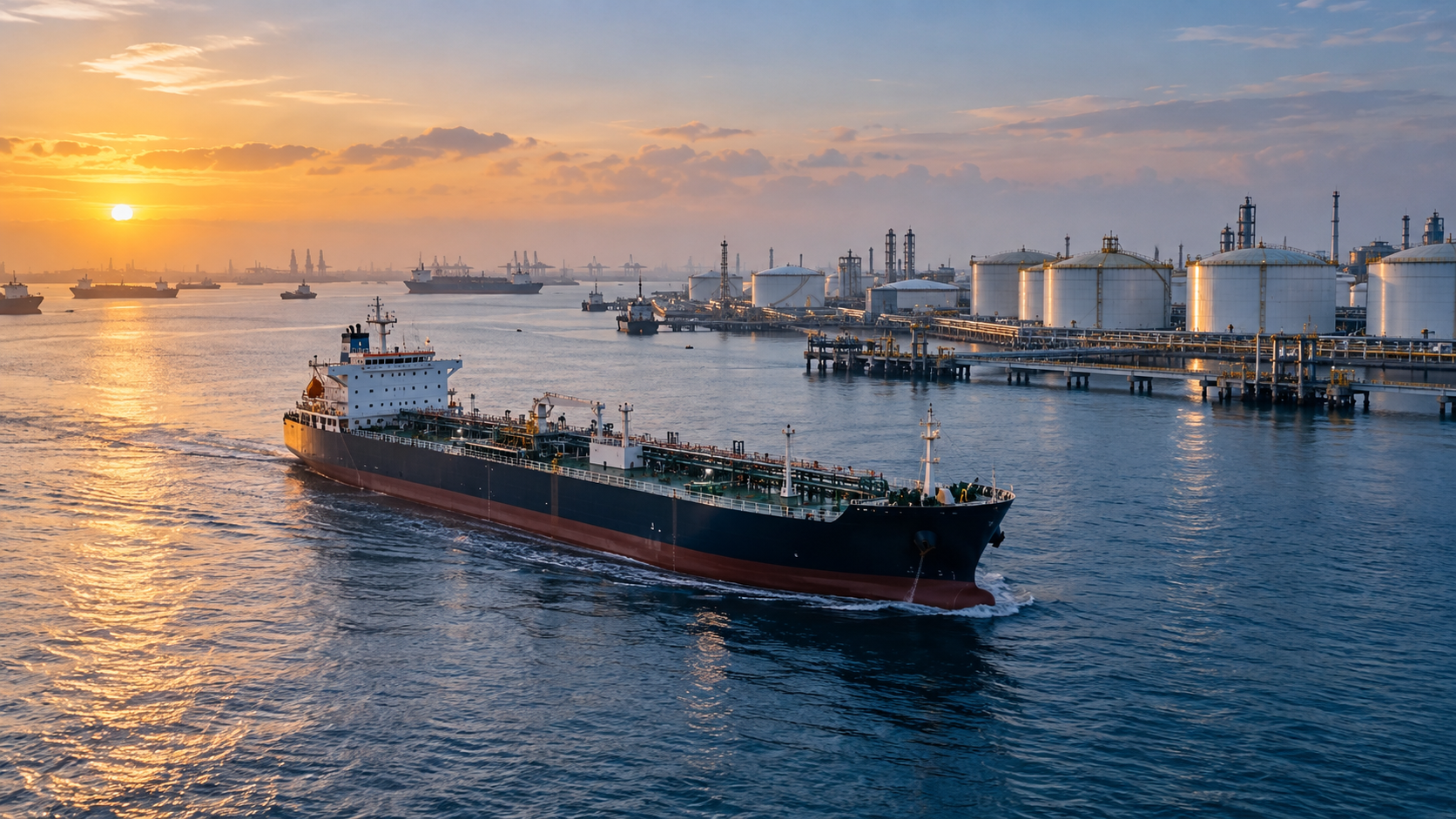
Between production and consumption, most liquid products spend time in storage. A cargo may wait at a port terminal for a vessel, be held near a refinery or factory as working inventory, or sit in a strategic location so it can be sold into the best market. Wherever it waits, the quality of the storage affects product safety, product quality and cost.
This guide explains how tank storage solutions work, how to choose chemical tank storage and bulk liquid storage, and why location matters, using hubs such as Singapore, Rotterdam, Houston and Fujairah as examples.
ADINA SHIPPING operates tank storage across four hubs (Singapore, Rotterdam, Houston and Fujairah) with a combined listed capacity of 635,000 m³ in carbon steel, stainless steel and alloy steel tanks.
What Are Tank Storage Solutions?
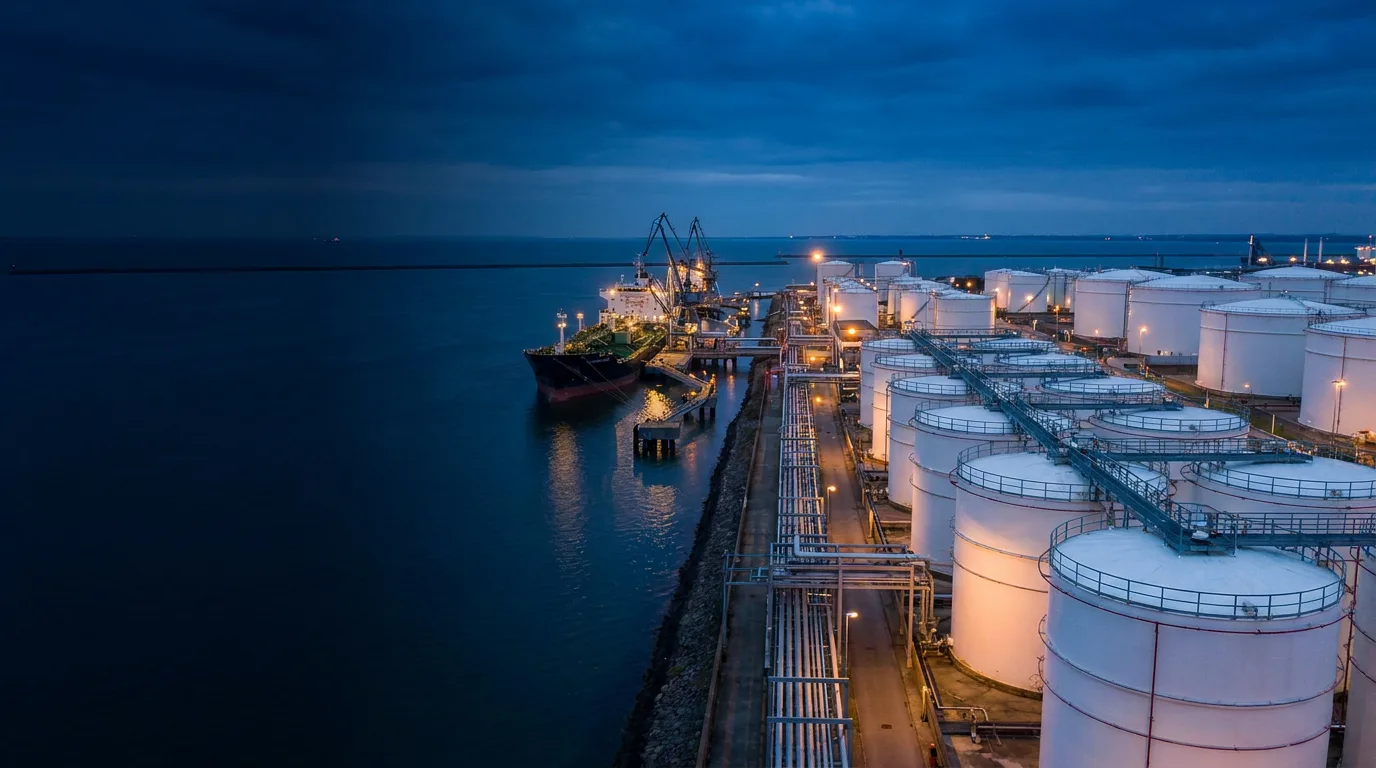
Tank storage solutions are facilities and services for storing liquid products in bulk, usually at or near ports, refineries or industrial clusters. A storage provider supplies the tank capacity and, depending on the facility, the services around it, such as receiving and dispatching product, monitoring, inventory reporting and product care.
Businesses use tank storage for several reasons:
- Buffer stock: holding inventory between vessel arrivals and production or distribution needs.
- Transshipment: receiving a large cargo and redistributing it in smaller parcels by sea, road or rail.
- Trading flexibility: storing product in a strategic location while waiting for the right buyer or price.
- Blending and preparation: preparing a product to a specification before delivery, where the facility supports it.
- Seasonal demand: building inventory ahead of periods of high consumption.
Chemical Tank Storage vs Bulk Liquid Storage
Bulk liquid storage is the broad category: any liquid stored in large quantities in tanks, including fuels, oils, vegetable oils and chemicals. Chemical tank storage is the part of that category that deals with chemical products, which usually bring stricter requirements.
Compared with many fuels and oils, chemicals often need closer attention to:
- Material compatibility: the tank, its lining or coating, seals and pipework must not react with or contaminate the product.
- Purity: some chemicals are sensitive to even small amounts of contamination from a previous product.
- Temperature: certain products must be heated, cooled or kept within a narrow temperature range.
- Vapour and atmosphere control: some products need vapour management or an inert atmosphere, such as a nitrogen blanket.
- Safety and environmental controls: hazardous products require appropriate containment, monitoring and emergency arrangements.
The product's safety data sheet (SDS) and specification are the starting point for deciding which tank and which services are needed.
How Tank Material Affects Product Safety
Storage tanks are built from different materials, and the right choice depends on the product being stored. ADINA SHIPPING's tank listings show three materials:
Carbon Steel
Carbon steel is strong, widely used and cost-effective. It is common for many petroleum products and other non-corrosive liquids, sometimes with an internal coating or lining to protect the steel and the product.
Stainless Steel
Stainless steel offers high corrosion resistance and helps protect product purity, which makes it a frequent choice for many chemicals and sensitive products.
Alloy Steel
Alloy steels are formulated with other elements to improve particular properties, such as strength or resistance to certain conditions, and can suit specific product or temperature requirements.
These are general characteristics, not rules. Compatibility must always be confirmed for the specific product, concentration and temperature, and the storage provider should review your SDS before allocating a tank.
Why Location Matters: Singapore, Rotterdam, Houston and Fujairah
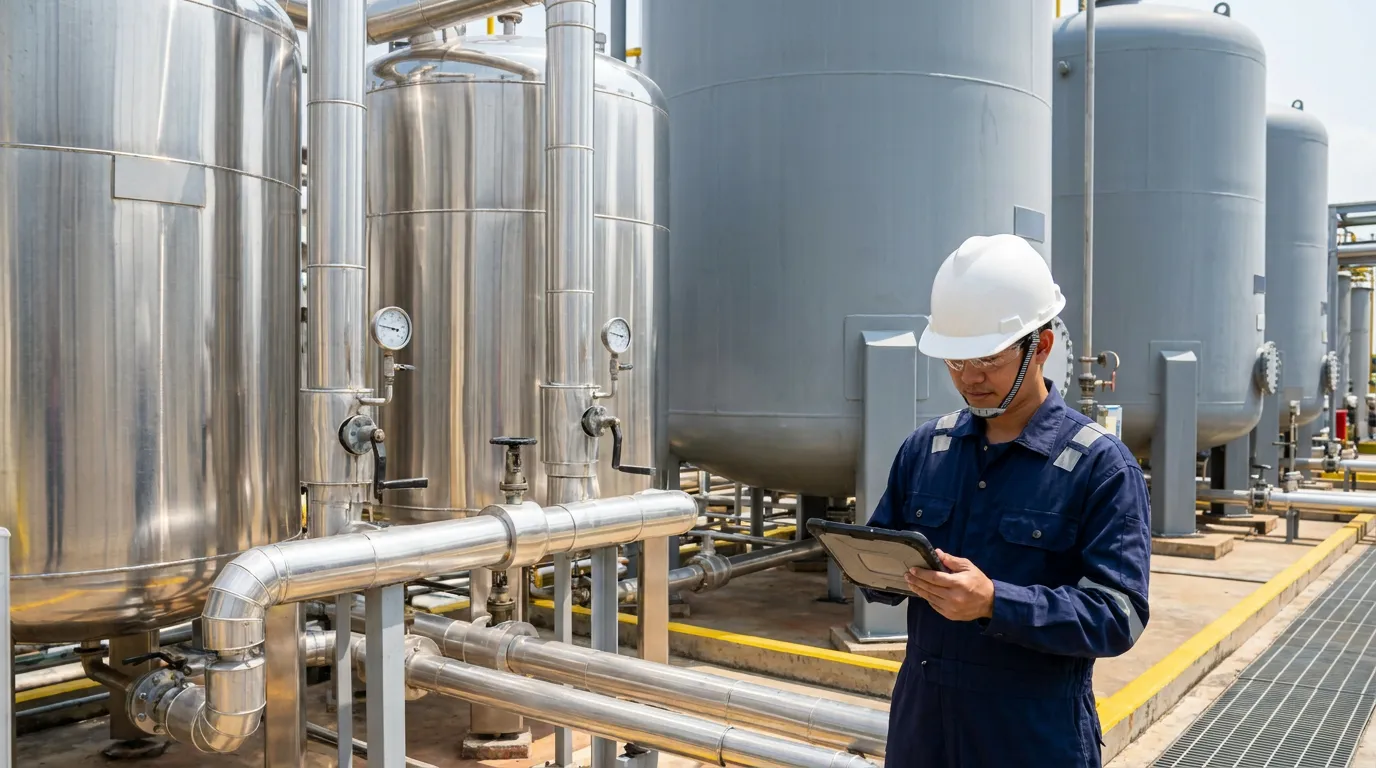
Where you store a product affects how quickly and cheaply it can reach its next destination. Major storage hubs tend to sit at the crossroads of shipping routes, refining centres and consumer markets.
Singapore Tank Storage
Singapore sits on key East–West shipping routes and is one of Asia's main hubs for refining, petrochemicals and bunkering. Singapore tank storage can suit cargoes moving between the Middle East, South and East Asia and Australia. ADINA SHIPPING lists three Singapore tanks of 40,000, 55,000 and 70,000 m³, a total of 165,000 m³.
Rotterdam Tank Storage
Rotterdam is one of Europe's largest ports and a major centre for oil, chemicals and their distribution into continental Europe by sea, inland waterway, rail and pipeline. ADINA SHIPPING lists 150,000 m³ of Rotterdam tank storage across three tanks.
Houston Tank Storage
Houston, on the US Gulf Coast, is at the heart of one of the world's largest refining and petrochemical regions, with access to export routes across the Americas and beyond. ADINA SHIPPING lists 165,000 m³ of Houston tank storage across three tanks.
Fujairah Tank Storage
Fujairah, on the UAE's east coast outside the Strait of Hormuz, is a key Middle East hub for oil storage and bunkering. ADINA SHIPPING lists 155,000 m³ of Fujairah tank storage across three tanks.
Choosing between hubs usually comes down to where the product is coming from, where it needs to go next and how it will travel on to its destination.
What to Look for in Tank Storage Facilities
When comparing tank storage facilities, it helps to evaluate more than tank size and price.
- Available capacity: does the facility have a tank of the right size for your volume, and for the period you need?
- Tank material and condition: is the tank compatible with your product, and what cleaning or preparation is required?
- Temperature control: can the facility heat, cool or hold the product within your required range?
- Monitoring: how are tank levels, temperatures and safety systems monitored, and how often?
- Inventory reporting: how and how often will you receive stock information?
- Quality control: can samples be taken and analysed, and how is product quality protected?
- Connections: how does product arrive and leave: berth, pipeline, road or rail?
- Documentation: what records are provided for receipts, transfers and releases?
ADINA SHIPPING's storage services include bulk product storage, temperature control, safety monitoring and inventory management, with value-added services such as quality control, product analysis, custom blending and documentation.
Connecting Storage With Vessel Transportation
Storage rarely stands alone. A product stored in Singapore may have arrived by tanker and may leave on another. Planning storage and shipping together helps avoid gaps: a tank that is ready when the vessel arrives, and a vessel that is ready when the product needs to move.
Live vessel tracking can support this coordination by showing when an inbound vessel is approaching, so terminal and storage teams can prepare. Our guide to chemical logistics with real-time tracking explains how that visibility works in practice.
Questions to Ask a Tank Storage Provider
- Which tanks are available for my product, volume and dates?
- What is the tank material, and is it compatible with my product?
- Can you maintain the temperature or atmosphere my product requires?
- How are tank levels and safety systems monitored?
- How will I receive inventory reports?
- Can you take and analyse samples?
- How will product arrive at and leave the terminal?
- What documentation do you need from me, and what will you provide?
Frequently Asked Questions
What is bulk liquid storage?
Bulk liquid storage is the storage of large quantities of liquids, such as fuels, oils and chemicals, in tanks, usually at port terminals or near industrial sites.
What makes chemical tank storage different?
Chemical tank storage usually requires closer attention to material compatibility, product purity, temperature, vapour control and safety measures, based on the specific product's properties.
Which tank material is best for chemicals?
There is no single answer. Stainless steel is widely used for many chemicals because of its corrosion resistance, but suitability depends on the specific product, concentration and temperature and must be confirmed by the storage provider.
Where does ADINA SHIPPING offer tank storage?
ADINA SHIPPING lists storage hubs in Singapore, Rotterdam, Houston and Fujairah, with a combined listed capacity of 635,000 m³.
How do I book tank storage?
You can submit a tank booking request with your product type, required volume in cubic metres, start and end dates and any special requirements such as temperature or handling.
Conclusion
Good tank storage solutions protect your product, keep your supply chain flexible and connect smoothly with the vessels that bring product in and take it out. Choosing well means looking at tank material and compatibility, temperature control, monitoring, reporting and location, not just available capacity.
Whether you need chemical tank storage for a sensitive product or bulk liquid storage for a large parcel, start with complete product information and clear questions. It is the quickest way to find a facility that fits.
Need storage capacity in Singapore, Rotterdam, Houston or Fujairah? Submit a tank booking request or contact our storage team.