Chemical Logistics Company with Real-Time Tracking: Improving Visibility and Supply Chain Control
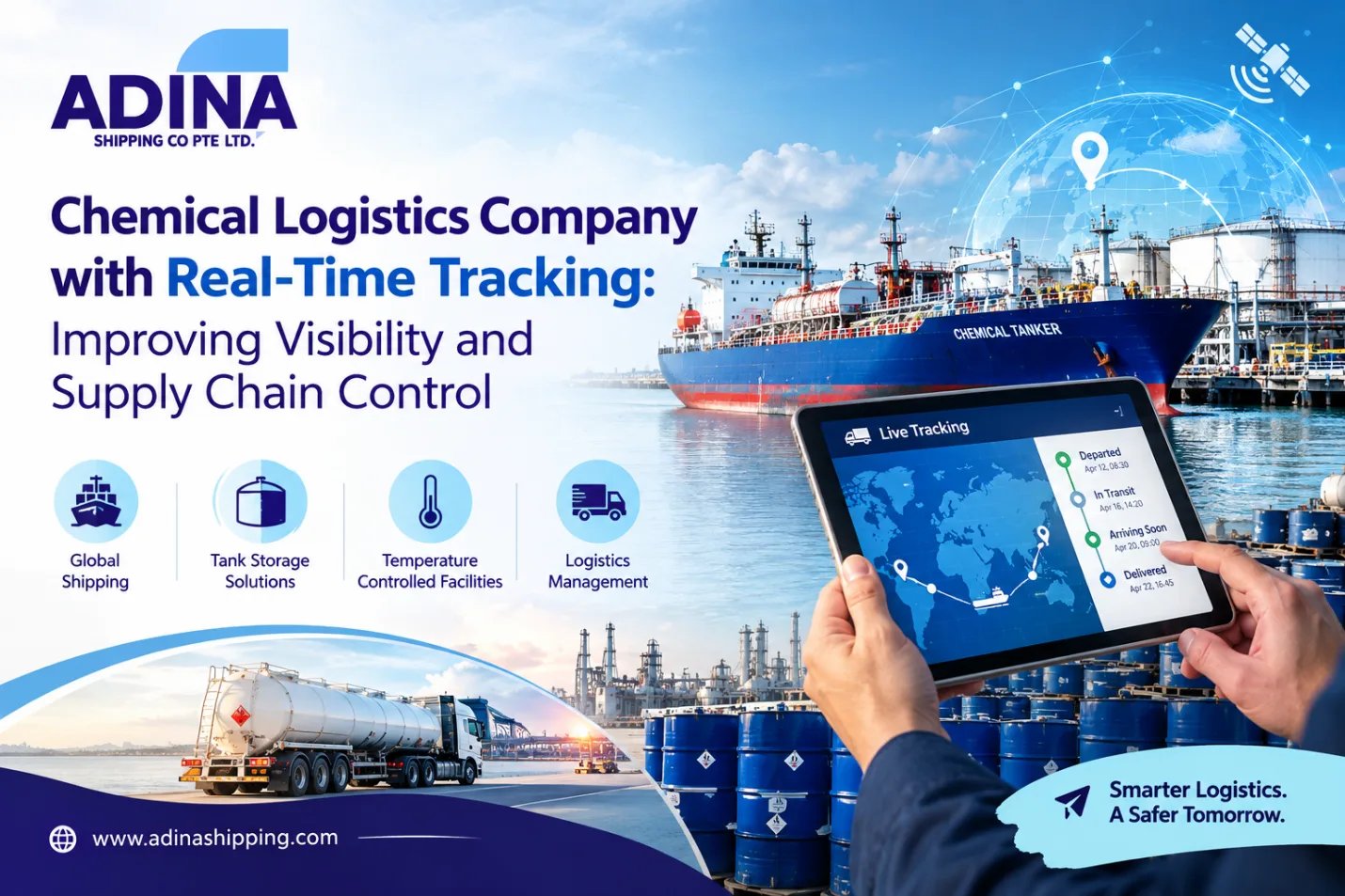
Chemical supply chains often involve multiple stages, locations, transportation modes, storage facilities, and business partners. A shipment may move from a supplier to a port, continue by vessel, reach a storage terminal, and eventually be delivered to a manufacturing or distribution facility. With so many moving parts, knowing where a shipment stands can be just as important as arranging the transportation itself.
This is where digital visibility is becoming increasingly relevant. A chemical logistics company with real-time tracking can combine transportation expertise with technology that provides shipment status, location information, and important movement updates.
For manufacturers, chemical suppliers, traders, procurement teams, and distributors, better visibility can make it easier to coordinate receiving schedules, warehouse operations, production planning, and customer communication. Tracking does not remove the possibility of delays or operational changes, but it can provide information that helps businesses respond more effectively.
What Is a Chemical Logistics Company with Real-Time Tracking?
A chemical logistics company with real-time tracking is a logistics provider that combines chemical transportation and related supply-chain services with digital tools for monitoring shipments or vessels.
Depending on the provider and tracking system, this may include information such as:
- Current or recent shipment location
- Transportation status
- Vessel or vehicle information
- Departure and arrival milestones
- Route or movement information
- Estimated schedule updates
- Operational notifications
The exact level of visibility varies between logistics providers and tracking platforms. Some systems may provide vessel-level information, while others may offer more detailed shipment or order-level updates.
ADINA SHIPPING's services include maritime shipping, intermodal solutions, GPS tracking, and logistics management. Its website also provides a live vessel-tracking function for selected vessels.
The important point is that tracking works as part of a broader logistics process rather than as a replacement for experienced transportation coordination.
Why Technology Matters in Modern Chemical Logistics
Chemical logistics can involve complex schedules and coordination between suppliers, carriers, terminals, warehouses, and customers. Technology can help connect information from different stages of that process.
Shipment Visibility
Traditional communication may depend heavily on emails, phone calls, or scheduled status updates. Digital tracking can provide another source of information about where a shipment or vessel is within its journey.
Delivery Planning
Knowing the current transportation status can help receiving teams prepare resources, personnel, storage space, and unloading schedules.
Communication
When shipment information changes, relevant stakeholders may need to know quickly. Centralized tracking information can support clearer communication between logistics teams and customers.
Schedule Management
Transportation schedules can change because of operational, weather, port, routing, or other factors. Tracking information can help businesses monitor developments rather than relying only on an original schedule.
Exception Monitoring
Tracking can also support awareness of unexpected events or changes. The response process will depend on the logistics provider, transportation mode, and specific tracking technology being used.
How Real-Time Tracking Works in Chemical Transportation
The underlying process is relatively straightforward, although the technology used can differ between providers.
First, a shipment, vessel, or transportation movement is associated with a tracking system. Relevant transportation information is then collected through technologies such as GPS, vessel identification systems, logistics software, or other monitoring tools.
As the transportation journey progresses, the system receives or records updated information. Authorized users may then access the information through a platform, dashboard, notification system, or communication channel.
A simplified process looks like this:
Shipment assigned → Tracking information recorded → Movement/status updated → Stakeholders receive information → Logistics teams use the data for coordination
The frequency and accuracy of updates depend on the specific technology, connectivity, transportation method, and provider. Therefore, businesses should always clarify what "real-time tracking" means within a particular logistics service.
Key Benefits of Working With a Chemical Logistics Company with Real-Time Tracking
Choosing a chemical logistics company with real-time tracking can provide practical advantages for businesses managing complex supply chains.
Better Shipment Visibility
Instead of knowing only that a shipment has departed, businesses may be able to monitor its progress and understand its current transportation status.
Easier Delivery Coordination
Receiving teams can use available shipment information to coordinate unloading, warehouse availability, and internal logistics activities.
Improved Communication
Tracking information can give logistics teams a common reference point when discussing shipment progress with suppliers, customers, carriers, or internal departments.
More Informed Inventory Planning
Visibility into transportation progress can support inventory planning by helping businesses understand whether incoming material is still in transit or approaching the receiving stage.
Faster Awareness of Schedule Changes
If a shipment's movement or schedule changes, earlier awareness can give teams more time to review operational plans and communicate with affected stakeholders.
Better Supply-Chain Coordination
Chemical logistics involves more than transportation. Storage, documentation, handling, scheduling, and delivery can all interact. A logistics provider that combines these services with tracking can support coordination across multiple stages.
What to Look for in a Chemical Logistics Company
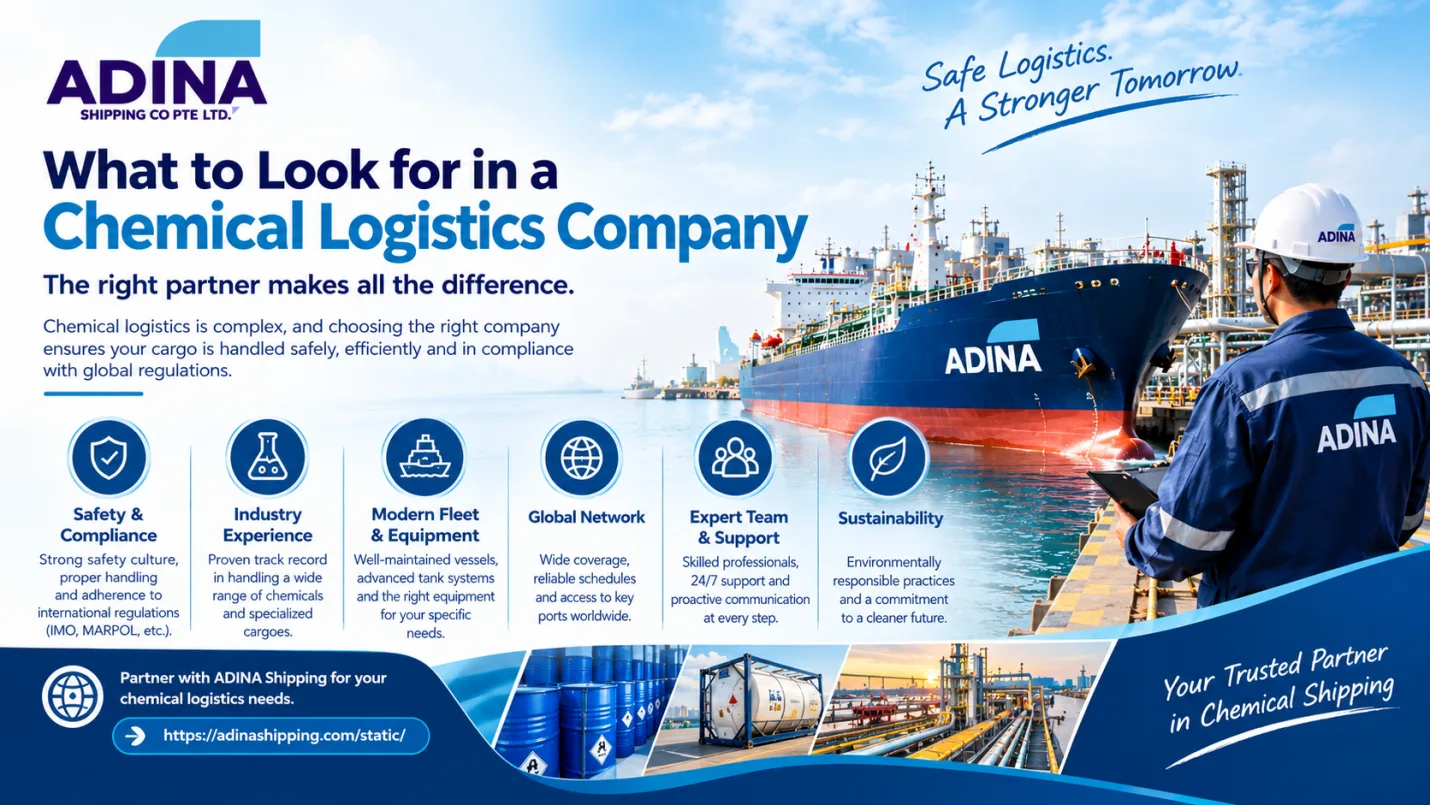
Real-time tracking should be considered alongside the provider's broader capabilities. Businesses should evaluate whether a chemical logistics company can support the specific requirements of their cargo and supply chain.
Important factors include:
- Chemical transportation capabilities: Understand the transportation modes, vessel types, and cargo requirements the provider can support.
- Regional or global coverage: Consider whether the provider operates in the ports and regions relevant to your supply chain.
- Tank storage: Check whether storage facilities are available when temporary or long-term product storage is required.
- Temperature-controlled facilities: For products requiring specific temperature conditions, confirm what temperature-control capabilities are available.
- Tracking technology: Ask whether the provider offers GPS, vessel tracking, shipment-level tracking, or another monitoring solution.
- Documentation support: Confirm how shipping, storage, and other required documentation is handled.
- Communication processes: Understand who provides shipment updates and how customers are notified about changes.
- Monitoring capabilities: Ask what information is monitored and how frequently it is updated.
- Experience with cargo requirements: Different chemical products can have different transportation, storage, handling, and documentation requirements.
ADINA SHIPPING, for example, describes services covering bulk product storage, temperature control, monitoring, maritime shipping, intermodal solutions, GPS tracking, and documentation.
Real-Time Tracking and Supply Chain Visibility
There is an important difference between knowing that a shipment has been dispatched and having useful visibility throughout its transportation journey.
A dispatch notification provides a starting point. Tracking can potentially provide additional information as the shipment moves between locations.
For a procurement team, that information may help with planning incoming materials. For a warehouse team, it can support preparation for receiving operations. For a production team, transportation updates can provide additional context when coordinating material availability. Customer-facing teams may also use relevant updates when communicating with clients.
The value comes from connecting transportation information with operational decision-making.
However, tracking should not be treated as a complete supply-chain management solution. Businesses still need appropriate planning, communication, documentation, inventory controls, and contingency processes.
How Real-Time Tracking Can Help Manage Unexpected Delays
Transportation does not always follow the original schedule. Port congestion, weather conditions, route changes, operational issues, or other circumstances can affect movement.
Real-time tracking cannot eliminate these events or guarantee a particular delivery time. What it can do is provide information about transportation progress and changes when the tracking system captures them.
For example, if a shipment's movement indicates a schedule change, logistics teams may be able to review receiving arrangements, communicate with relevant stakeholders, or adjust downstream planning.
The response will depend on the nature of the event and the information available through the provider's tracking system.
Questions to Ask a Chemical Logistics Company Before Shipping
Before selecting a provider, procurement and logistics teams can ask:
- What tracking capabilities do you provide?
- How frequently is shipment or vessel information updated?
- Can customers directly access shipment status?
- What chemical transportation services do you provide?
- Do you offer tank storage or temperature-controlled facilities?
- How are documentation and shipment updates managed?
- How are unexpected delays or schedule changes communicated?
These questions can help businesses understand not only what technology is available, but also how it fits into the overall logistics service.
Frequently Asked Questions
What is a chemical logistics company with real-time tracking?
It is a logistics provider that combines chemical transportation or related logistics services with technology used to monitor shipment, vessel, or transportation status. The specific information available depends on the provider and tracking system.
Why is real-time tracking useful for chemical shipments?
It can provide greater visibility into transportation progress, helping businesses coordinate receiving schedules, inventory planning, communication, and other supply-chain activities.
What services does a chemical logistics company typically provide?
Services can vary, but may include chemical transportation, maritime shipping, intermodal logistics, tank storage, temperature-controlled storage, monitoring, documentation, and logistics management.
How does shipment tracking improve supply-chain visibility?
Tracking can provide information beyond a simple dispatch confirmation, such as movement or status updates. This can help relevant teams understand where a shipment is within its transportation journey.
What should businesses consider when selecting a chemical logistics company?
Businesses should evaluate transportation capabilities, geographic coverage, storage options, temperature-control requirements, tracking technology, documentation support, communication processes, monitoring capabilities, and experience with their specific cargo requirements.
Conclusion
Modern chemical supply chains depend on coordination across transportation, storage, suppliers, terminals, warehouses, and customers. Technology can make that coordination more visible by providing useful information about shipment movement and status.
A chemical logistics company with real-time tracking can bring together logistics expertise and digital visibility, helping businesses make more informed operational decisions. At the same time, tracking should be viewed as one component of a broader logistics strategy rather than a guarantee against delays or disruptions.
When evaluating a chemical logistics company, businesses should look beyond tracking alone. Transportation capabilities, storage facilities, temperature-controlled options, documentation, monitoring, and communication processes all deserve consideration.
For companies managing complex chemical supply chains, the combination of practical logistics services and appropriate tracking technology can provide a clearer view of transportation activities and support better day-to-day coordination.
🚢 Need reliable chemical logistics? Contact ADINA SHIPPING today!